Nobody plans to get hurt. An unexpected tweak during a morning run, a sudden pull while reaching for a heavy box, or a gradual ache from typing at a desk can completely derail your daily routine. The physical pain is only the beginning. Injuries often bring frustration, lost productivity, and expensive medical bills.
The good news is that most common physical setbacks are entirely avoidable. By understanding how your body moves and implementing a few targeted strategies, you can keep your muscles and joints healthy for the long haul. Injury prevention is an active, ongoing process of conditioning your body and adapting your environment to minimize risk.
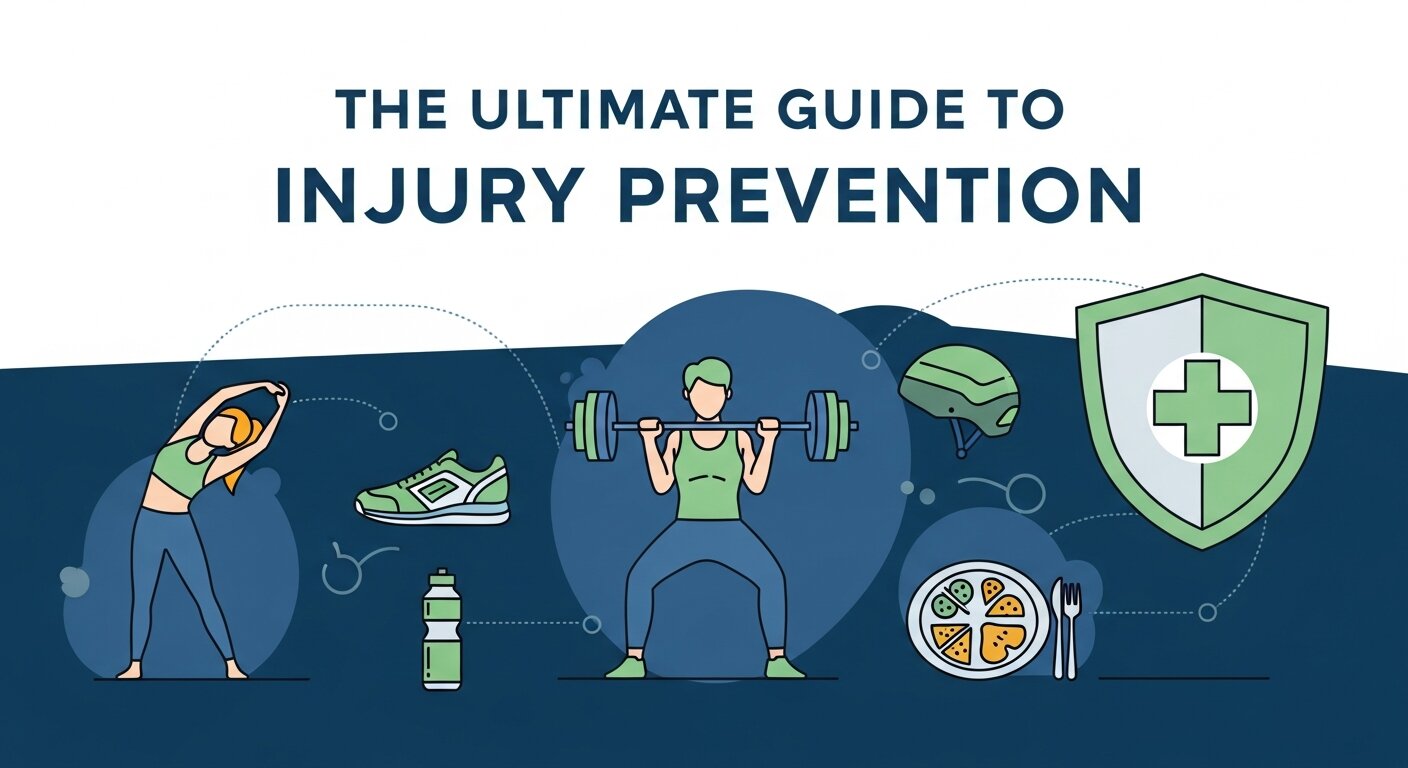
This comprehensive guide covers everything you need to know about staying healthy and active. You will learn the difference between acute and chronic injuries, discover general principles for keeping your body resilient, and explore specific strategies for protecting vulnerable areas like your knees, back, and hamstrings. We will also cover practical tips for sports enthusiasts and office workers alike.
Understanding Different Types of Injuries: Acute vs. Chronic
Before you can effectively protect your body, you need to understand how damage occurs. Physical injuries generally fall into two main categories: acute and chronic.
Acute injuries happen suddenly. They are usually the result of a specific impact or traumatic event, like a fall, a collision on the soccer field, or dropping a heavy weight. Symptoms typically appear immediately and include severe pain, swelling, and an inability to bear weight. Examples include sprained ankles, dislocated shoulders, and torn ligaments.
Chronic injuries develop slowly over time. These are the result of prolonged overuse, repetitive motions, or poor biomechanics. You might not notice the exact moment a chronic injury begins, but the pain gradually worsens with continued activity. Tendonitis, stress fractures, and persistent lower back pain are common examples. Because chronic issues sneak up on you, listening to your body’s early warning signs is a critical component of injury prevention.
General Principles of Injury Prevention
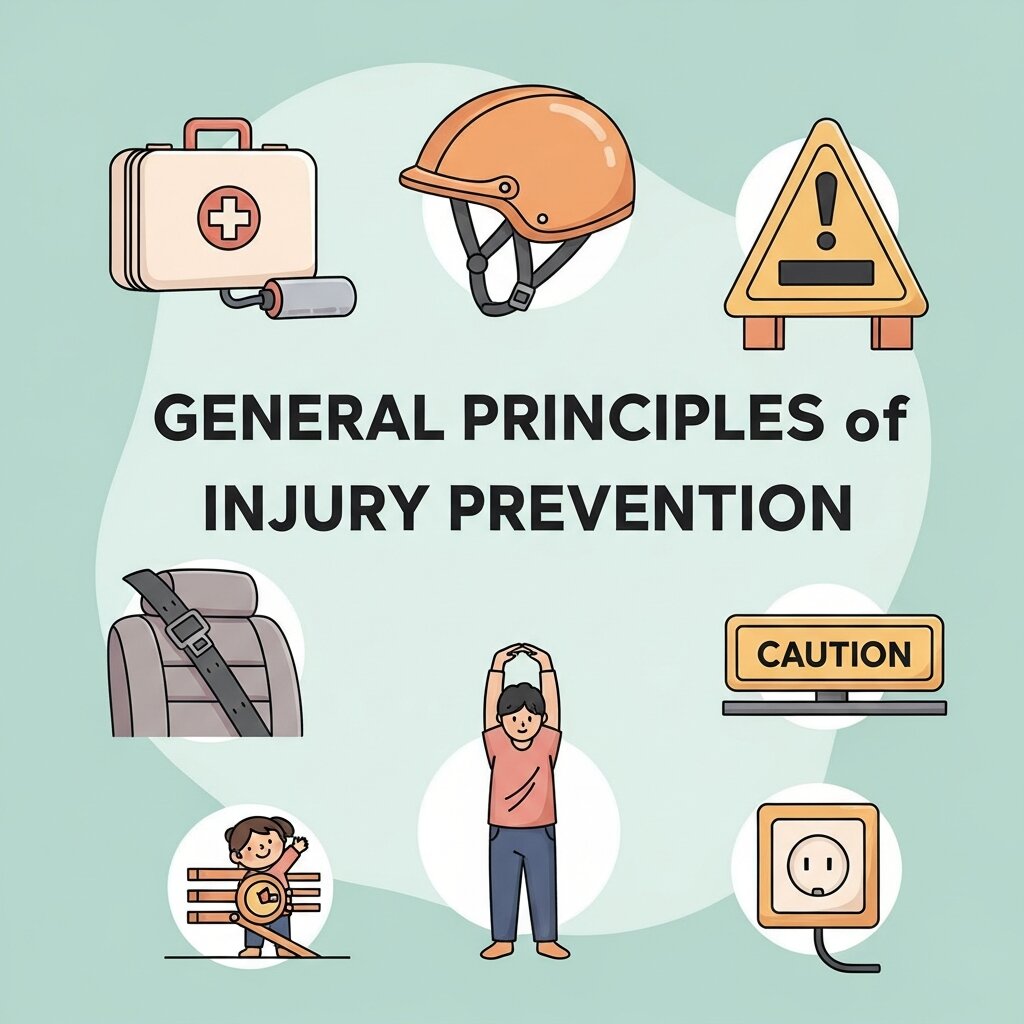 Regardless of your activity level or occupation, a few foundational rules apply to keeping your body safe. These core principles form the bedrock of any good injury prevention program.
First, always warm up before strenuous physical activity. A proper warm-up increases blood flow to your muscles, making them more pliable and less prone to tearing. Dynamic stretches, such as leg swings and arm circles, are highly effective at preparing your nervous system and joints for movement.
Second, prioritize strength and flexibility equally. Weak muscles cannot adequately support your joints, leaving ligaments vulnerable to sprains. Conversely, overly tight muscles restrict your range of motion, forcing other parts of your body to overcompensate. A balanced fitness routine should include both resistance training and mobility work.
Finally, allow your body adequate time to recover. Muscles do not grow stronger while you are working out; they rebuild during rest. Overtraining leads to fatigue, which compromises your form and dramatically increases your risk of getting hurt. Ensure you are getting enough sleep, staying hydrated, and eating a nutrient-rich diet to support cellular repair.
Injury Prevention Strategies for Specific Body Parts
Different activities place stress on different parts of the body. Targeted exercises and mindful movements can help fortify your most vulnerable joints and muscle groups.
Hamstring Injury Prevention
The hamstrings are a group of three muscles running down the back of your thigh. They are highly susceptible to strains, particularly during activities that involve sprinting or sudden stops. Hamstring injury prevention requires a dedicated focus on eccentric strength—the ability of the muscle to lengthen under tension.
Exercises like Romanian deadlifts and Nordic hamstring curls are excellent for building this specific type of strength. Additionally, ensuring your quadriceps (the muscles on the front of your thigh) are not significantly stronger than your hamstrings can prevent muscular imbalances that lead to pulls. Regular dynamic stretching of the hips and legs before running will also keep these muscles primed for action.
Groin Injury Prevention
Groin pulls involve the adductor muscles on the inside of the thigh. These injuries are notoriously stubborn and can sideline athletes for weeks or even months. Groin injury prevention starts with strengthening the core and the pelvic region.
Lateral movements, such as side lunges and lateral band walks, help build resilience in the adductor muscles. It is also important to improve hip mobility. Tight hips force the groin muscles to work harder during rotational movements. Incorporating yoga or targeted hip-opening stretches into your weekly routine will provide a wider, safer range of motion.
Ankle Injury Prevention
The ankle is a complex joint that bears the entire weight of your body. A single misstep on an uneven surface can lead to a painful sprain. Ankle injury prevention relies heavily on proprioception, which is your body’s ability to sense its position in space.
Balance exercises are the best way to train proprioception. Standing on one leg while brushing your teeth, using a wobble board, or performing single-leg deadlifts can train the stabilizing muscles around your ankle to react quickly to unstable surfaces. Wearing appropriate footwear with adequate arch and heel support is equally important, especially if you have a history of ankle rolls.
Back Injury Prevention
Lower back pain is one of the most common complaints among adults worldwide. It often stems from poor posture, weak core muscles, or improper lifting techniques. Back injury prevention requires a conscious effort to maintain a neutral spine during daily activities.
When lifting heavy objects, always bend at your knees and hips, keeping the load close to your body. Never twist your spine while lifting. Strengthening your core is also vital. Your core acts as a natural corset, supporting your lumbar spine. Planks, bird-dogs, and glute bridges are fantastic exercises for building a robust midsection that protects your back from excess strain.
Knee Injury Prevention
The knees absorb a massive amount of shock during walking, running, and jumping. They are highly dependent on the surrounding muscles for stability. Knee injury prevention focuses on strengthening the quadriceps, hamstrings, and glutes to ensure the knee joint tracks properly.
Weak glute muscles, in particular, can cause the knee to cave inward during squats or landings, putting dangerous stress on the ACL and meniscus. Clamshells and banded squats can help activate and strengthen the gluteus medius, keeping the knee aligned. Furthermore, avoiding sudden spikes in your training volume will protect the knee tendons from overuse injuries like patellar tendonitis.
Hand Injury Prevention
Our hands are essential for almost every daily task, making hand injury prevention incredibly important. For those performing manual labor, wearing the correct protective gloves can prevent lacerations, abrasions, and chemical burns.
In healthcare and laboratory settings, a specific focus must be placed on needle injury prevention. Proper disposal protocols, using safety-engineered devices, and never recapping needles are critical steps to avoid accidental pricks and the subsequent risk of bloodborne pathogens. For office workers, taking frequent breaks to stretch the fingers and wrists can prevent cramping and joint stiffness.
Preventing Repetitive Strain Injuries (RSI)
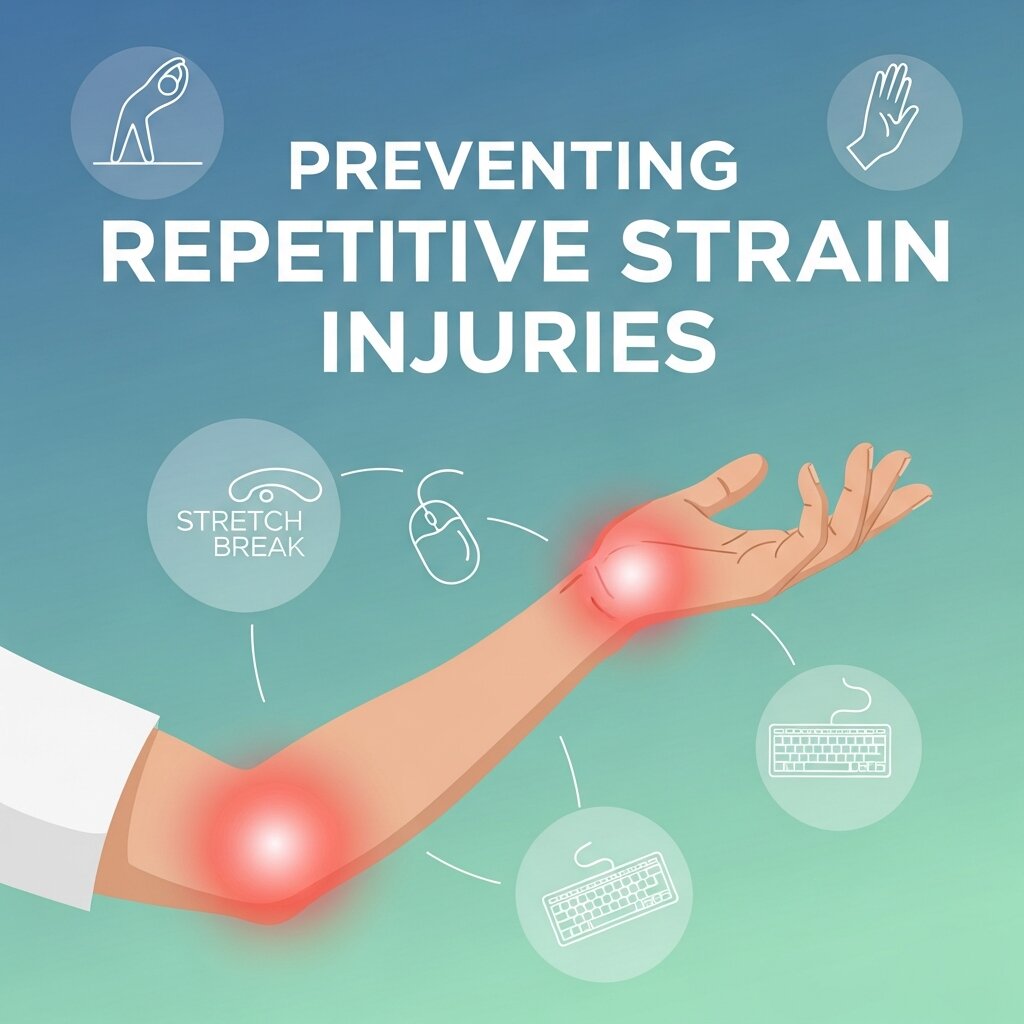 A repetitive strain injury (RSI) occurs when you perform the same motion over and over, causing micro-trauma to the muscles, tendons, and nerves. These injuries are incredibly common in the modern workforce, affecting everyone from assembly line workers to software developers.
Repetitive strain injury prevention comes down to breaking up repetitive cycles and optimizing your technique. If you type all day, practice typing with a lighter touch and keeping your wrists in a neutral position. Take a five-minute break every hour to stretch your arms, neck, and shoulders. Strengthening the muscles in your upper back and forearms can also provide better support for your joints, making them more resilient to the stresses of repetitive tasks.
Injury Prevention in Sports
 Athletic competition pushes the body to its physical limits. While sports are fantastic for cardiovascular health and mental well-being, they require specific protocols to keep participants safe on the field and the court.
Soccer Injury Prevention
Soccer demands continuous running, rapid changes of direction, and powerful kicking. This unique physical demand makes players prone to lower extremity issues. Soccer injury prevention must incorporate agility training and plyometrics.
Programs like the FIFA 11+ warm-up have been scientifically proven to reduce injury rates among soccer players. This program includes running exercises, core stabilization, and eccentric hamstring training. Proper hydration and adequate rest between matches are also essential, as fatigue significantly impairs a player’s biomechanics and decision-making abilities, leading to careless tackles or awkward landings.
Basketball Injury Prevention
Basketball involves explosive jumping, sudden stops, and physical contact. Ankle sprains and knee injuries are incredibly common. Basketball injury prevention emphasizes landing mechanics and lower-body strength.
Teaching players to land softly with bent knees can drastically reduce the impact forces on the joints. Plyometric exercises, such as box jumps and depth drops, train the muscles to absorb shock efficiently. Taping or bracing the ankles can provide additional mechanical support for players with a history of instability, though it should not replace a dedicated ankle strengthening program.
Ergonomic Injury Prevention in the Workplace
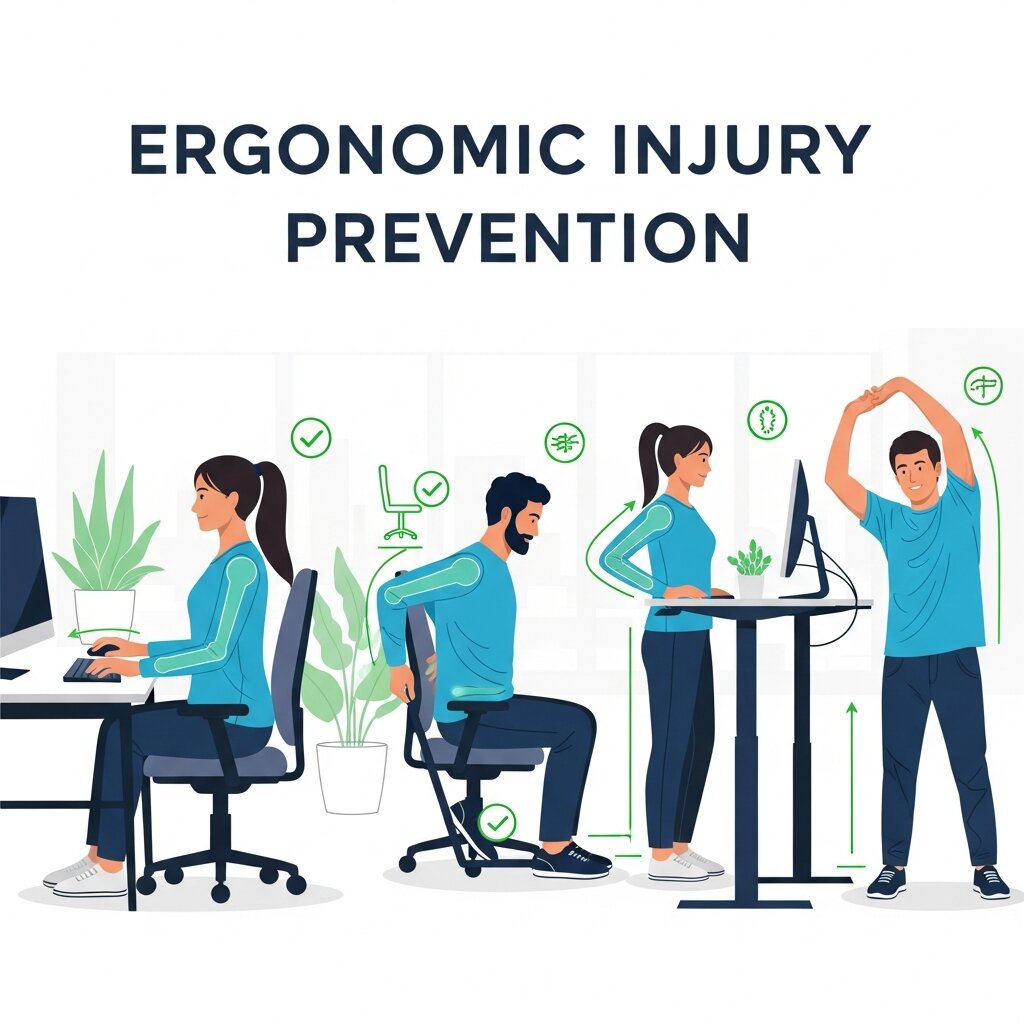 You do not have to be an elite athlete to get hurt. Millions of people suffer from musculoskeletal disorders resulting from poor workplace setups. Ergonomic injury prevention focuses on adapting the workspace to fit the worker, rather than forcing the worker to adapt to a poorly designed space.
If you work at a desk, ensure your monitor is at eye level to prevent neck strain. Your chair should support the natural curve of your lower back, and your feet should rest flat on the floor. When typing, your elbows should be bent at a 90-degree angle, with your wrists floating neutrally above the keyboard.
For jobs requiring physical labor, employers should provide mechanical lifting aids whenever possible. Training employees on proper body mechanics and encouraging a culture of safety over speed will drastically reduce the occurrence of occupational injuries.
A Holistic Approach to Staying Injury-Free
Protecting your body requires more than just a single stretching session or buying a new pair of shoes. It demands a holistic approach to your physical well-being. By integrating mindful movement, targeted strength training, and proper ergonomics into your daily life, you can significantly reduce your risk of getting hurt.
Listen to your body. Pain is an important signal that something is wrong. Pushing through a sharp ache often turns a minor issue into a major setback. By prioritizing recovery, respecting your physical limits, and proactively addressing muscular imbalances, you can maintain an active, healthy, and pain-free lifestyle for years to come.
Frequently Asked Questions (FAQ)
1. What is the most effective way to prevent injuries?
The most effective approach combines proper warm-ups, strength training, flexibility exercises, and adequate rest. Maintaining good form during activities and listening to your body’s signals also plays a crucial role in preventing both acute and chronic injuries.
2. How long should a proper warm-up last?
A good warm-up should last around 10–15 minutes. It should include light cardio followed by dynamic stretching to prepare your muscles and joints for more intense activity.
3. Can stretching alone prevent injuries?
Stretching helps improve flexibility, but it is not enough on its own. A complete injury prevention plan should also include strength training, balance exercises, and proper recovery techniques.
4. What are the early warning signs of a potential injury?
Common warning signs include persistent soreness, stiffness, swelling, reduced range of motion, and discomfort during movement. Ignoring these signs can lead to more serious injuries.
5. How often should I take rest days to avoid injury?
It depends on your activity level, but generally 1–2 rest days per week are recommended. Rest allows your muscles to repair and reduces the risk of overuse injuries.
6. Are repetitive strain injuries permanent?
Not always. If caught early and managed properly with rest, ergonomic adjustments, and targeted exercises, most repetitive strain injuries can heal. However, ignoring them can lead to long-term damage.
7. What type of shoes help prevent injuries?
Shoes that provide proper support, cushioning, and fit your specific activity are essential. For example, running shoes for running and court shoes for sports like basketball can reduce injury risk significantly.
8. How can I prevent injuries while working at a desk?
Maintain proper posture, keep your monitor at eye level, use an ergonomic chair, and take short breaks every hour to stretch and move around. This helps reduce strain on your neck, back, and wrists.
9. Is strength training safe for beginners?
Yes, as long as you start with proper guidance and use correct form. Begin with lighter weights and gradually increase intensity to avoid unnecessary strain or injury.
10. When should I see a doctor for an injury?
You should seek medical attention if you experience severe pain, swelling, or inability to move a joint, or if symptoms do not improve after a few days of rest and basic care.