Athletes and fitness enthusiasts spend countless hours perfecting their physical form. They focus on building strength, increasing flexibility, and optimizing their nutrition to keep their bodies in peak condition. Yet, a crucial element of safety is often completely ignored. Mental awareness plays a massive role in how our bodies handle physical stress and navigate risky environments.
When you train your body but neglect your mind, you leave a glaring gap in your defense against physical harm. A distracted mind drastically increases the likelihood of a sprained ankle, a torn muscle, or a severe accident. Paying attention to your cognitive state is just as vital as warming up your muscles.
This guide explores the powerful connection between cognitive focus and physical safety. You will learn how stress, fatigue, and distraction directly contribute to physical mishaps. More importantly, you will discover actionable strategies to sharpen your mental awareness, creating a comprehensive approach to injury prevention that protects you both inside and outside the gym.
The Science of the Mind-Body Connection
 Physical movement requires constant communication between your brain and your muscles. The central nervous system sends rapid signals to coordinate balance, reaction time, and force. When your brain is fully engaged in the task at hand, this communication network operates smoothly.
However, psychological stress severely disrupts this delicate system. High levels of cortisol and adrenaline cause muscle tension, which reduces your natural flexibility. Tight muscles are far more susceptible to strains and tears. Stress also narrows your peripheral vision. You become less likely to spot a tripping hazard on a running trail or a misplaced weight in the gym.
Mental fatigue acts similarly to physical exhaustion. A tired brain struggles to process sensory information quickly. Your reaction times plummet. If you stumble, a sharp mind will immediately trigger the reflexes needed to catch your balance. A fatigued mind will react a fraction of a second too late, often resulting in a painful fall.
How Distraction Sabotages Form
Think about the last time you checked your phone during a heavy lift or a challenging yoga pose. Distraction pulls your cognitive resources away from your physical form. Proper technique requires active thought, especially when lifting heavy weights or performing complex movements.
When your mind wanders to a stressful work email or a personal problem, your body defaults to the path of least resistance. This usually means compromising your posture or relying on the wrong muscle groups. Over time, these small lapses in form accumulate, leading to chronic pain and severe acute injuries.
Core Pillars of Cognitive Safety
Developing mental awareness requires intentional practice. You must train your brain to stay present during physical exertion. This involves mastering two distinct pillars of cognitive safety.
Mindfulness During Movement
Mindfulness simply means paying full attention to the present moment without judgment. In the context of physical activity, this translates to feeling every muscle contraction and noticing your breathing patterns.
When you practice mindful movement, you listen to the subtle signals your body sends you. You can easily distinguish between the healthy burn of muscle growth and the sharp, warning pain of an impending tear. Recognizing this difference is a foundational element of effective injury prevention.
Emotional Regulation and Risk Assessment
Your emotional state heavily influences your decision-making. Anger and frustration often lead to reckless behavior. If you hit the gym after a terrible day at work, you might be tempted to lift far more weight than your body can safely handle.
Regulating your emotions allows you to make objective decisions about your physical limits. A calm mind accurately assesses risks. It knows when to push for an extra repetition and when to rack the weight and rest.
Practical Strategies to Build Mental Resilience
 You can actively improve your mental awareness with a few simple routines. Integrating these habits into your daily life will significantly boost your overall safety.
Pre-Workout Mental Check-Ins
Before you begin any physical activity, take two minutes to assess your mental state. Sit quietly and ask yourself a few basic questions. Are you feeling anxious? Did you sleep poorly? Is your mind racing with distracting thoughts?
If you notice high levels of stress or fatigue, adjust your workout accordingly. Swap a heavy lifting session for light stretching or a gentle walk. Honoring your mental state prevents you from forcing your body into dangerous situations.
Visualization Techniques
Professional athletes use visualization to prepare for high-stakes competitions. You can use the exact same technique to ensure proper form and safety.
Before executing a complex physical task, close your eyes and picture yourself performing the movement perfectly. Imagine the exact angle of your joints and the rhythm of your breathing. This mental rehearsal primes your nervous system, making the actual physical movement smoother and safer.
Focused Breathing
Breathwork anchors your mind to your body. When your thoughts start to drift during a workout, use your breath to bring your focus back to the present. Try syncing your inhales and exhales with your physical movements. For example, inhale as you lower a weight and exhale as you push it back up. This simple act of coordination leaves very little room for distracting thoughts.
Reaction Time and Injury Prevention
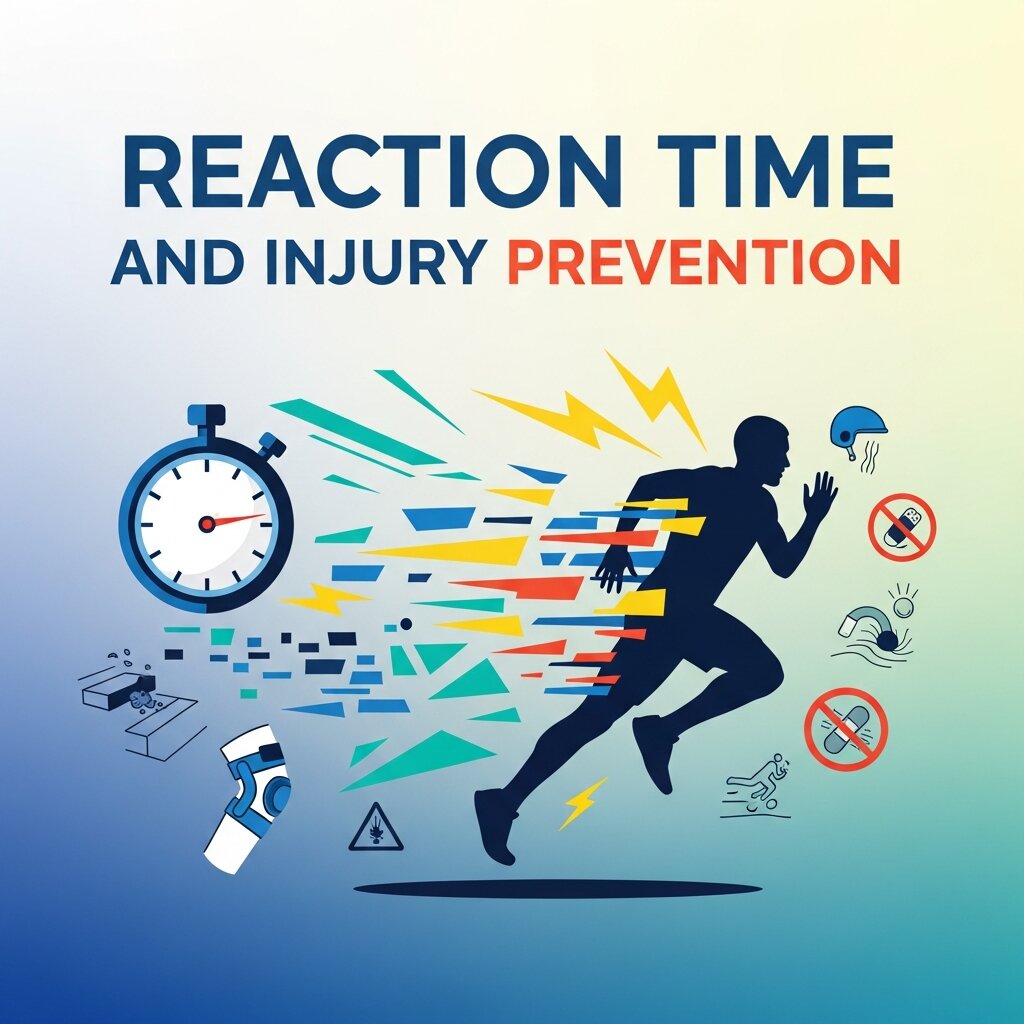 Reaction time is a critical factor in avoiding injuries, especially during sports and high-intensity activities. A mentally alert individual can quickly respond to sudden changes, such as losing balance or encountering obstacles. Faster reaction times allow your body to correct movements instantly, preventing falls or muscle strain. Mental awareness sharpens this ability by keeping your brain fully engaged with your surroundings. Practicing drills that improve coordination and reflexes can significantly enhance your responsiveness. Activities like agility training, balance exercises, and even simple hand-eye coordination drills strengthen the connection between your mind and body, making you more prepared for unexpected situations.
The Role of Focus in Strength Training
Strength training demands both physical effort and mental concentration. Without proper focus, even simple exercises can become dangerous. Mental awareness ensures that you maintain proper form, control your movements, and engage the correct muscle groups. When lifting weights, a focused mind helps you stabilize your posture and avoid unnecessary strain on joints. Distractions can lead to improper technique, increasing the risk of injury over time. By staying mentally present during each repetition, you maximize effectiveness while minimizing risk. Developing focus through intentional practice allows you to train smarter, achieve better results, and protect your body from avoidable harm.
Balance and Coordination Through Mental Awareness
Balance and coordination are not purely physical abilities; they are deeply connected to your mental state. Your brain constantly processes information about your body’s position and adjusts movements accordingly. When your mind is distracted, this communication weakens, making you more prone to slips and falls. Mental awareness strengthens this connection by improving body control and spatial awareness. Practicing activities like yoga, balance drills, or controlled movements enhances both mental focus and physical stability. Over time, this improved coordination reduces the likelihood of accidents, especially in dynamic environments where quick adjustments are necessary.
Preventing Overtraining with Mental Awareness
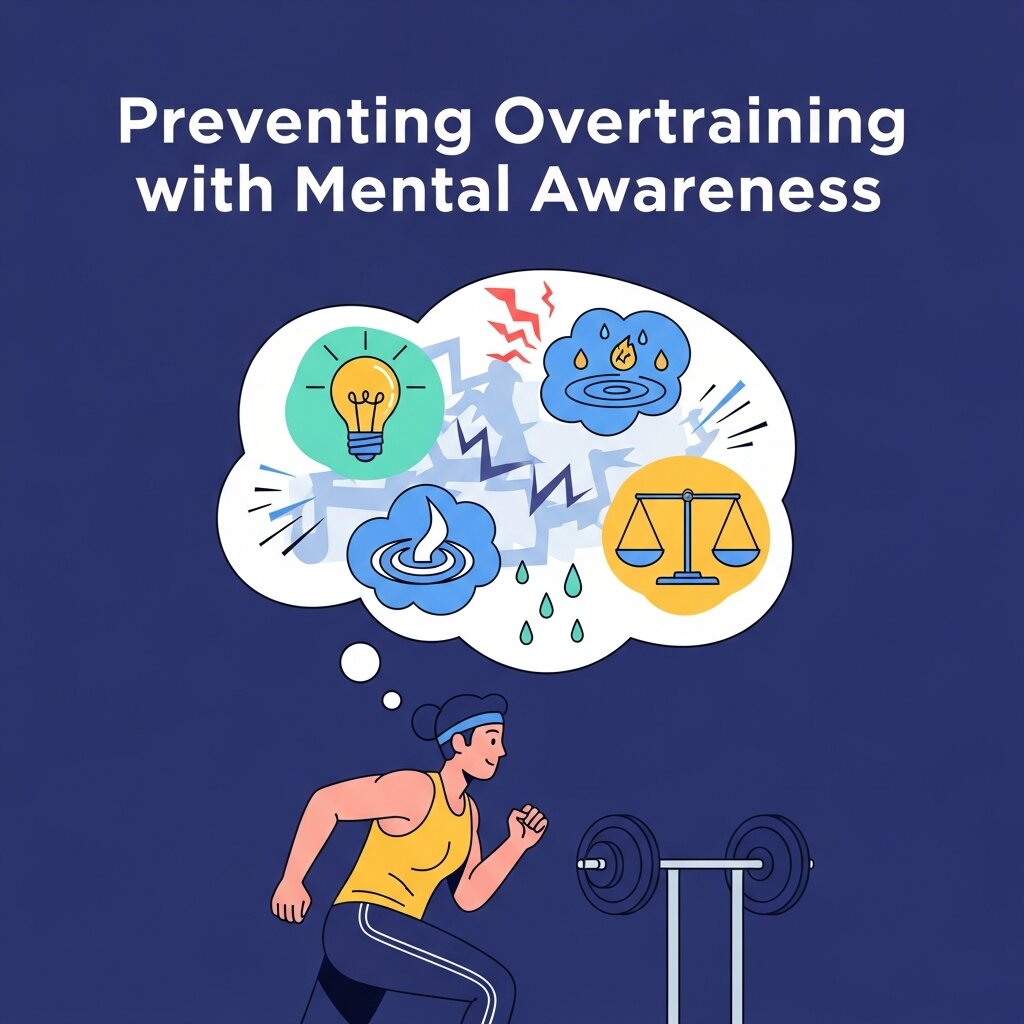 Overtraining is a common issue among athletes and fitness enthusiasts who push their limits without recognizing their body’s signals. Mental awareness helps you identify early signs of fatigue, stress, and burnout. Ignoring these signals often leads to overuse injuries, reduced performance, and long recovery periods. By staying mentally connected to your body, you can adjust your training intensity when needed. This might mean taking a rest day, reducing workout volume, or focusing on recovery activities. Listening to your body is not a weakness; it is a strategy for long-term success. Mental awareness ensures that you train sustainably and avoid unnecessary injuries.
The Impact of Emotional Stress on Physical Safety
Emotional stress has a direct effect on your physical safety. High stress levels can cause muscle tightness, reduce coordination, and impair decision-making. When your mind is overwhelmed, your body struggles to perform efficiently, increasing the risk of injury. Mental awareness helps you recognize when stress is affecting your performance. Techniques such as deep breathing, meditation, or short breaks can help manage emotional tension. By maintaining a calm and focused mindset, you improve your ability to move safely and make better decisions. Managing stress effectively is essential for both mental well-being and physical protection.
Mindful Movement in Daily Activities
Mental awareness is not limited to workouts; it plays a vital role in everyday activities. Simple actions like walking, climbing stairs, or carrying objects require coordination and attention. Being mindful during these movements reduces the risk of accidents such as slips or strains. Paying attention to your posture, surroundings, and body mechanics helps you move more efficiently. Avoid multitasking during physical activities, as divided attention increases the likelihood of mistakes. By practicing mindful movement throughout the day, you create a safer routine and develop habits that naturally prevent injuries in both casual and demanding situations.
Building Consistency in Mental Training
Just like physical fitness, mental awareness requires consistent practice. Developing focus and mindfulness is not a one-time effort but a continuous process. Incorporating small habits such as daily breathing exercises, short meditation sessions, or focused workouts can gradually strengthen your mental discipline. Consistency helps your brain adapt and maintain a state of awareness even under pressure. Over time, these practices become automatic, allowing you to stay focused without conscious effort. Building consistency in mental training ensures long-term benefits, including improved performance, reduced stress, and a lower risk of injury in various activities.
The Role of Environment in Mental Awareness
Your environment significantly influences your level of mental awareness. A cluttered, noisy, or chaotic space can easily distract your mind and reduce focus. Creating a clean and organized environment helps you stay present and attentive during physical activities. Whether at home, in the gym, or at work, minimizing distractions enhances your ability to concentrate. Proper lighting, clear walkways, and a structured setup contribute to safer movement. By optimizing your surroundings, you support your mental clarity and reduce the chances of accidents. A well-managed environment works hand in hand with mental awareness to improve overall safety.
Technology and Distraction Management
Modern technology, while useful, is one of the biggest sources of distraction. Constant notifications, messages, and social media updates can pull your attention away from important tasks. During physical activity, this lack of focus increases the risk of injury. Mental awareness involves setting boundaries with technology, such as silencing notifications or keeping your phone away during workouts. Limiting screen time before physical tasks also helps improve concentration. By managing digital distractions, you allow your mind to fully engage with your body. This focused approach enhances performance and significantly reduces the likelihood of accidents.
Long-Term Benefits of Mental Awareness
Developing mental awareness offers long-term benefits that extend beyond injury prevention. A focused mind improves overall performance, enhances decision-making, and reduces stress levels. Over time, this leads to better physical health, improved coordination, and greater confidence in daily activities. Mental awareness also promotes a deeper connection between your mind and body, allowing you to move more efficiently and safely. As this awareness becomes a habit, it supports a healthier lifestyle and reduces the risk of chronic injuries. Investing in mental training today ensures lasting protection and improved quality of life in the future.
Frequently Asked Questions
Can stress really cause physical injuries?
Yes. Psychological stress increases muscle tension and impairs coordination. This combination significantly raises the likelihood of experiencing physical harm during exercise or daily activities.
How does sleep affect injury prevention?
Sleep is when your brain and body recover. Sleep deprivation drastically impairs cognitive function, slowing down your reaction times and reducing your ability to focus on proper physical form. Adequate rest is essential for maintaining the mental sharpness needed to stay safe.
Do I need to meditate to be mentally aware?
While traditional meditation is highly beneficial, it is not strictly required. You can build mental awareness simply by paying close attention to your body during movement and minimizing distractions, like putting away your phone during a workout.
Can improving focus enhance athletic performance?
Yes, better focus improves movement accuracy and control. It helps maintain proper form and reduces energy waste. This leads to safer and more effective performance.
What are simple ways to improve mental awareness during workouts?
Remove distractions like phones and stay focused on each movement. Practice controlled breathing and pay attention to muscle engagement. Small habits like this build strong mental focus over time.
How does fatigue affect mental awareness and safety?
Fatigue slows reaction time and reduces concentration. This makes it harder to maintain proper form and respond quickly. Rest and recovery are essential to stay mentally sharp and safe.
Is mental awareness important outside of workouts?
Yes, it is important in daily activities like walking or lifting objects. Staying aware helps prevent slips, trips, and strains. It ensures safer movement in everyday life.
How does stress impact mental awareness during physical activity?
Stress reduces focus and increases muscle tension. This affects coordination and decision-making during movement. Managing stress helps maintain better control and safety.
Can mindfulness techniques reduce injury risk?
Yes, mindfulness improves focus and body awareness. It helps you notice discomfort or fatigue early. This prevents small issues from turning into injuries.
Train Your Brain to Protect Your Body
Physical strength alone cannot guarantee your safety. True resilience requires a sharp, focused, and present mind. By understanding how stress and distraction compromise your coordination, you can take active steps to protect yourself.
Start implementing quick mental check-ins before your next workout. Practice feeling the connection between your thoughts and your muscles. As you build this cognitive awareness, you will unlock a powerful, holistic approach to injury prevention that keeps you active and healthy for years to come.