Accidents happen when we least expect them. A sudden slip on a wet floor, a strained muscle during a weekend workout, or a minor mishap in the kitchen can instantly disrupt your routine. These moments often leave us wishing we had taken a few extra precautions. Taking proactive steps to protect your physical well-being is entirely within your control.
Injury prevention is a mindset that involves recognizing potential hazards and making small adjustments to your daily habits. By paying attention to your environment and how your body moves through it, you can significantly reduce the likelihood of getting hurt. This approach does not require drastic life changes. Instead, it relies on consistent, thoughtful actions that accumulate to create a safer environment for you and your loved ones.
This guide explores practical strategies to help you navigate your day-to-day life with confidence. You will learn actionable tips to secure your home, stay safe at work, and protect your body during physical activities. Equipping yourself with this knowledge empowers you to lead an active, uninterrupted life free from avoidable setbacks.
Understanding the Basics of Injury Prevention
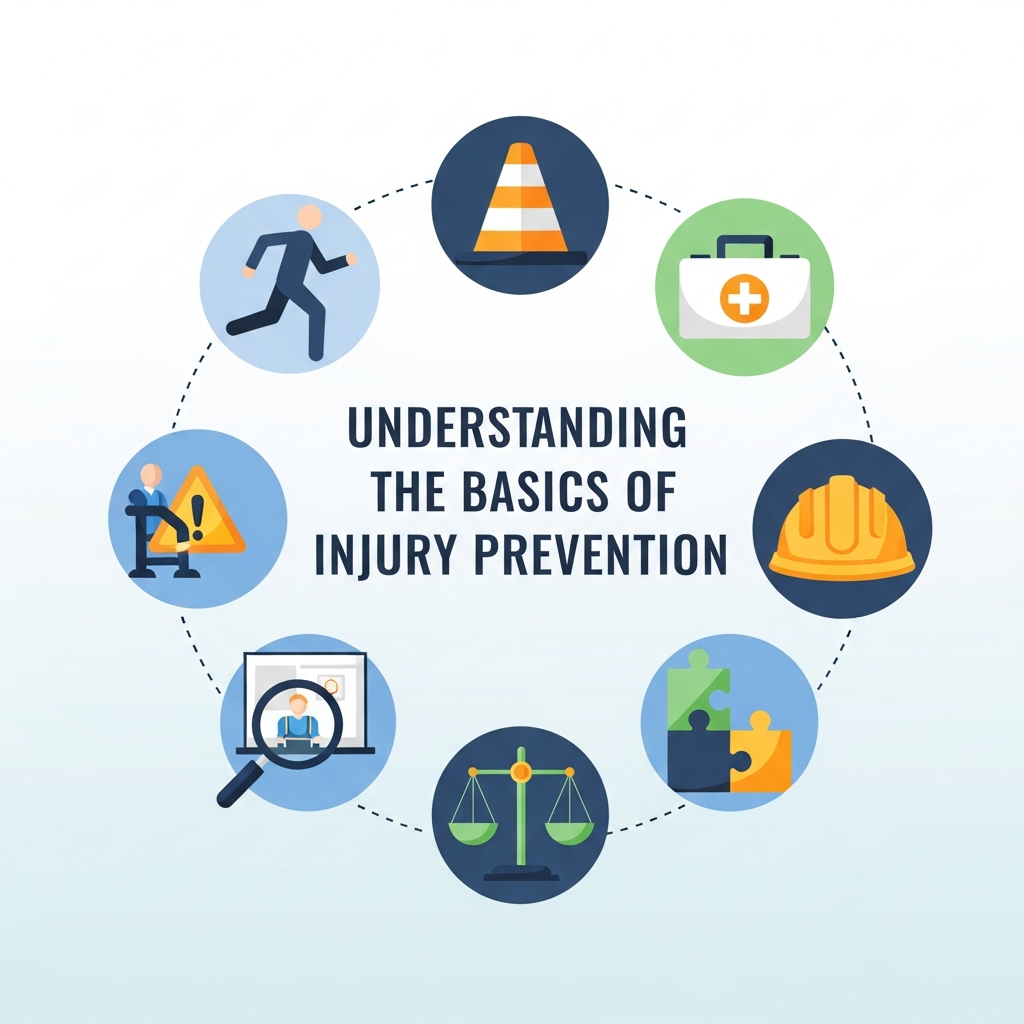 At its core, injury prevention is about anticipation. It requires looking at your surroundings and your activities through a lens of safety. Recognizing risks before they result in harm is the most effective way to protect yourself.
Every environment presents unique challenges. A living room has different hazards compared to a busy warehouse or a basketball court. However, the fundamental principles of safety remain the same. Awareness, proper preparation, and the right equipment form the foundation of any effective safety strategy. When you build these habits, staying safe becomes second nature rather than an exhausting chore.
Injury Prevention at Home
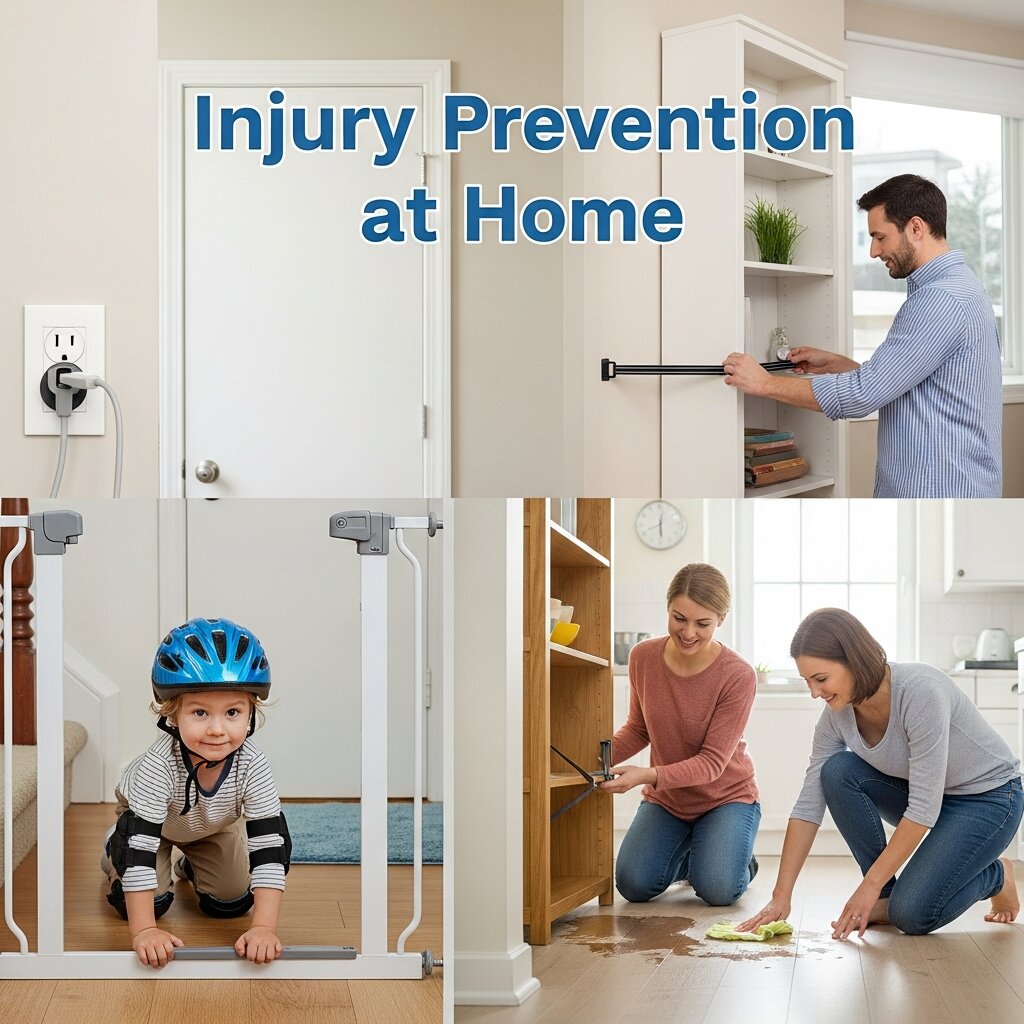 Most people consider their homes a safe haven. Surprisingly, a significant number of accidents occur right in our own living spaces. Simple modifications can transform your house into a truly secure environment.
Keep Floors Clear and Well-Lit
Tripping over misplaced objects is a leading cause of household falls. Clutter tends to accumulate in hallways, near staircases, and by entryways. Make it a habit to clear these high-traffic areas daily. Secure loose rugs with slip-resistant backing and ensure all cords are tucked away from walkways.
Lighting also plays a critical role in preventing falls. Replace burnt-out bulbs promptly and consider installing nightlights in bathrooms and corridors. Proper visibility allows you to navigate your home safely, even in the middle of the night.
Fire and Electrical Safety
Kitchens and laundry rooms pose specific risks regarding fire and electricity. Never leave cooking food unattended, especially when using the stovetop. Keep flammable items like dish towels and paper wrappers away from heat sources.
Regularly inspect your electrical cords for fraying or damage. Overloading power strips can cause them to overheat, creating a serious fire hazard. Additionally, test your smoke detectors every month and replace their batteries at least once a year.
Staying Safe in the Workplace
Many adults spend a large portion of their waking hours at work. Regardless of your profession, maintaining safety on the job is crucial for your long-term health.
Ergonomics and Posture
Office workers frequently experience strain from prolonged sitting and poor posture. Ergonomics focuses on arranging your workspace to fit your body comfortably. Adjust your chair so your feet rest flat on the floor and your knees are at a 90-degree angle. Position your computer monitor at eye level to prevent neck strain. Taking short breaks to stand, stretch, and walk around every hour keeps your muscles loose and promotes healthy blood circulation.
Handling Heavy Objects
Jobs that require physical labor demand strict adherence to lifting protocols. Lifting incorrectly can cause severe back injuries that take months to heal. Always bend at your knees and keep your back straight when picking up heavy items. Hold the object close to your body and let your leg muscles do the work. If an item is too heavy to lift comfortably, ask a coworker for assistance or use mechanical aids like a dolly or a hand truck.
Physical Activity and Sports
Exercise is essential for a healthy lifestyle, but it also carries a risk of physical trauma if done improperly. Incorporating injury prevention techniques into your fitness routine ensures you can stay active for years to come.
The Importance of Warming Up
Jumping straight into an intense workout shocks your cardiovascular system and tightens your muscles. A proper warm-up increases your heart rate gradually and delivers oxygen to your muscles, making them more pliable. Spend five to ten minutes doing light aerobic exercises like jogging in place or performing dynamic stretches before tackling your main workout.
Choosing the Right Gear
Wearing appropriate equipment is non-negotiable for sports safety. Well-fitted athletic shoes provide necessary support and traction, reducing the risk of twisted ankles. If you cycle or skate, a helmet is vital for protecting your head. Replace your gear when it shows signs of wear and tear, as degraded equipment loses its protective qualities.
Road Safety and Travel
 Commuting exposes us to an entirely different set of environmental risks. Practicing defensive habits keeps you and others safe on the road.
Defensive Driving Habits
Always assume that other drivers might make unpredictable moves. Keep a safe following distance between your vehicle and the one ahead of you. Eliminate distractions inside the car by putting your phone away and programming your GPS before putting the car in drive. Adhering to speed limits and obeying traffic signals drastically lowers your chances of being involved in a collision.
Pedestrian Awareness
If you walk or bike to your destination, remain highly visible to drivers. Wear brightly colored clothing, especially during dawn, dusk, or nighttime hours. Use designated crosswalks and always look both ways before stepping into the street. Unplug your earphones or lower the volume so you can hear approaching vehicles or emergency sirens.
Nutrition for Injury Prevention and Recovery
Proper nutrition plays a major role in keeping your body strong and resilient against injuries. A balanced diet rich in protein, healthy fats, vitamins, and minerals supports muscle repair, joint health, and overall physical performance. Nutrients like calcium and vitamin D strengthen bones, while omega-3 fatty acids help reduce inflammation in muscles and joints. Staying hydrated is equally important, as dehydration can lead to fatigue and increased risk of strains or cramps. Eating the right foods before and after physical activity also improves recovery speed. When your body is properly fueled, it becomes more resistant to stress and less prone to injury in both daily life and exercise.
Flexibility and Mobility Training
Flexibility and mobility training are essential components of injury prevention. Flexible muscles and mobile joints allow your body to move smoothly without unnecessary strain. Regular stretching exercises help reduce stiffness, improve posture, and increase range of motion, which lowers the risk of sprains and muscle pulls. Mobility training focuses on controlled movement patterns that enhance joint stability and coordination. Unlike static stretching alone, mobility exercises actively train your body to move safely under different conditions. Incorporating yoga, dynamic stretches, or functional movement drills into your routine can significantly improve physical resilience. Over time, these practices help your body adapt better to daily activities and physical stress.
Importance of Rest and Sleep in Injury Prevention
Rest and sleep are often underestimated but are crucial for preventing injuries. During sleep, the body repairs damaged tissues, rebuilds muscles, and restores energy levels. Lack of proper rest leads to fatigue, slower reaction times, and poor coordination, all of which increase the likelihood of accidents and injuries. Overtraining without adequate recovery can also place excessive stress on muscles and joints, resulting in overuse injuries. A consistent sleep schedule improves cognitive function and physical performance, making movements more controlled and efficient. Incorporating rest days into workout routines allows the body to recover fully. Quality sleep and recovery are essential foundations for long-term physical health and injury prevention.
Common Mistakes That Lead to Injuries
Many injuries occur due to avoidable mistakes in daily habits and physical activities. One of the most common errors is skipping warm-ups before exercise, which leaves muscles unprepared for sudden strain. Poor posture during sitting or lifting heavy objects is another major cause of long-term injuries. Overtraining without rest can lead to muscle fatigue and joint stress, increasing injury risk. Using improper footwear or outdated equipment also reduces support and stability during movement. Additionally, ignoring early pain signals often worsens minor issues into serious injuries. Understanding these mistakes helps individuals make smarter decisions and adopt safer habits in both fitness and everyday life.
Workplace Ergonomics and Injury Prevention
 Workplace ergonomics focuses on designing work environments that support the body’s natural posture and movement. Poor ergonomics, especially in office settings, can lead to neck pain, back strain, and repetitive stress injuries. Adjusting chair height, keeping feet flat on the floor, and positioning screens at eye level are simple yet effective improvements. Regular breaks to stand, stretch, and move help reduce stiffness and improve circulation. For physically demanding jobs, using proper lifting techniques and assistive tools prevents serious injuries. Ergonomic awareness not only improves comfort but also increases productivity and long-term physical health. A well-designed workspace significantly reduces the risk of chronic pain and injury.
Mental Awareness and Focus in Injury Prevention
Mental awareness plays a critical role in preventing injuries. Many accidents happen when individuals are distracted, rushed, or mentally fatigued. Staying focused on the task at hand helps improve reaction time and decision-making in potentially risky situations. Whether driving, exercising, or working, maintaining full attention reduces the chances of mistakes. Stress and lack of concentration can also negatively affect coordination and physical control. Practicing mindfulness helps individuals become more aware of their surroundings and body movements. Taking time to slow down, assess risks, and act carefully creates a safer environment. A strong mental focus combined with physical awareness is a powerful tool for injury prevention.
Frequently Asked Questions (FAQ)
What is the most common cause of household injuries?
Falls are the leading cause of injuries at home. Tripping over clutter, slipping on wet surfaces, or falling down stairs account for a massive percentage of emergency room visits. Keeping floors clean and well-lit is the best defense against these accidents.
How can older adults practice injury prevention?
Older adults should focus on balance and mobility to prevent falls. Installing grab bars in the bathroom, using non-slip mats in the shower, and participating in strength-building exercises like tai chi can vastly improve stability.
Why is hydration important for injury prevention?
Dehydration causes muscle fatigue and cramps, which drastically increases the risk of pulling a muscle during physical activity. Drinking adequate water keeps your joints lubricated and helps your body regulate its temperature.
How does exercise help in injury prevention?
Exercise strengthens muscles, improves flexibility, and enhances joint stability, all of which reduce the risk of injuries. A well-balanced fitness routine that includes warm-ups, strength training, and stretching prepares the body for physical stress. When the body is conditioned properly, it becomes more resistant to strains, sprains, and other workout-related injuries.
Why is posture important for injury prevention?
Good posture helps maintain proper body alignment and reduces unnecessary strain on muscles and joints. Poor posture, especially during long hours of sitting, can lead to neck pain, back problems, and repetitive strain injuries. Maintaining an ergonomic workspace and taking regular breaks can greatly improve posture and prevent long-term physical issues.
What role does warm-up play in preventing injuries?
Warming up prepares the body for physical activity by gradually increasing heart rate and blood flow to the muscles. This makes muscles more flexible and reduces the risk of sudden strain or injury during exercise. A proper warm-up routine can significantly improve performance and decrease the likelihood of muscle pulls or joint injuries.
How can older adults reduce their risk of injuries?
Older adults can reduce injury risk by focusing on balance, strength, and mobility exercises. Installing safety aids like grab bars, using non-slip mats, and ensuring proper lighting at home are also important. Regular physical activity such as walking or yoga helps maintain stability and reduces the chances of falls.
Why is hydration important for injury prevention?
Hydration plays a key role in maintaining muscle function and joint lubrication. When the body is dehydrated, muscles are more prone to cramps and fatigue, increasing the risk of injury during physical activity. Drinking enough water helps regulate body temperature and supports overall physical performance and recovery.
Take Charge of Your Well-Being Today
Safeguarding your health is an ongoing process that yields incredible lifelong benefits. By implementing these injury prevention strategies, you create a protective buffer against the unexpected. Evaluate your home for hazards this weekend, adjust your office chair tomorrow morning, and remember to stretch before your next run. Small, consistent actions are the foundation of a long, healthy, and active life.